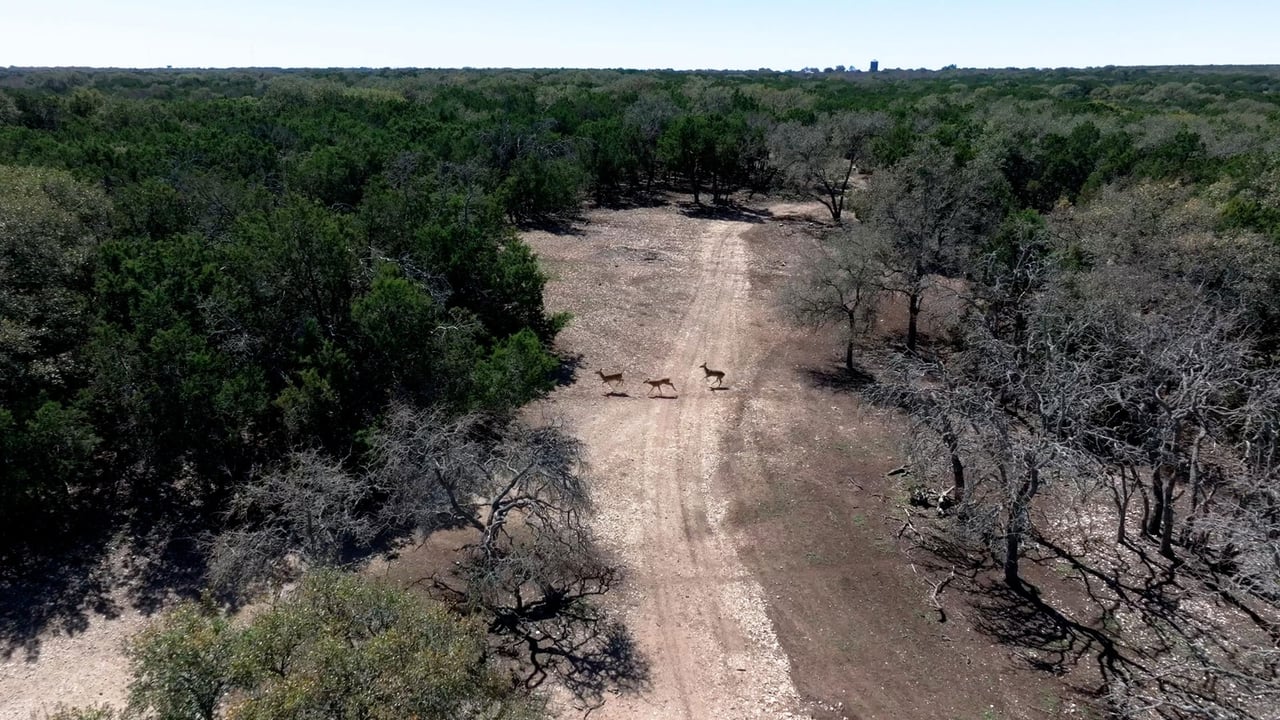
What to Expect During a Land and Ranch Inspection
in the Austin Area and Texas Hill Country
Buying land or a ranch in the Austin area or Texas Hill Country is one of the most exciting — and most complex — real estate decisions you'll ever make. Unlike purchasing a suburban home, buying rural acreage comes with a unique set of inspection considerations that go far beyond checking the roof or the HVAC. Before you close on that dream property in Dripping Springs, Wimberley, Marble Falls, or anywhere in between, understanding the land inspection process can save you from costly surprises and give you real negotiating leverage.
Here's what buyers and sellers should know about inspecting land and ranch property in Central Texas.
Why Land Inspections Are Different
When most people think of a home inspection, they picture a licensed inspector walking through a house with a flashlight and a checklist. Land and ranch inspections are a different animal entirely.
A rural property inspection covers the land itself, any improvements on it — barns, fencing, equipment, water infrastructure — and the underlying systems that make the property habitable or productive. In Central Texas especially, the terrain, the terrain, and the climate introduce a specific set of risks and variables that urban buyers are often unprepared for.
This isn't a reason to avoid rural real estate. It's a reason to go into it informed.
Key Areas Covered in a Rural Property Inspection
1. Water: Wells, Springs, Stock Tanks, and Riparian Rights
Water is everything in the Hill Country. Whether a property relies on a private water well, a rainwater collection system, a surface water source, or a rural water supply district, the first question any buyer should ask is: Where does the water come from, and can I count on it?
Well testing should include both water quality and yield (the rate of recovery). A well may produce clean water but struggle to keep up with household or livestock demand during a drought. The Edwards Aquifer and the Trinity Aquifer underlie much of this region, but not all areas have equal access or reliable yields.
If the property includes a stock tank or pond, inspect for structural integrity and understand whether it's fed by rainfall, a natural spring, or piped water. Ask about the water rights that convey with the property — in Texas, surface water rights and groundwater rights operate under entirely different legal frameworks.
2. Septic Systems and Wastewater
Rural properties outside city limits are not connected to municipal sewer systems. That means a septic system is handling all wastewater — and inspecting it properly is non-negotiable.
A licensed inspector should evaluate the type of system (conventional, aerobic, or alternative), the condition of the tank and drain field, and whether the system is appropriately sized for the current or intended use. In Hays, Travis, Williamson, and Burnet counties, aerobic systems are common and require ongoing service contracts. Budget for that if you're buying a property equipped with one.
3. Soil, Topography, and Flood Risk
The Hill Country's dramatic terrain is part of its appeal — but it also comes with real considerations for buyers. The same limestone outcrops and cedar-covered ridges that make a property beautiful can also limit where you build, what you can plant, and how water moves across the land.
Ask your inspector about:
- Soil composition — Blackland clay soils common to the eastern Hill Country expand and contract significantly with moisture changes, which can affect foundations and road surfaces.
- Caliche layers — Can limit root depth for trees and vegetation, and affect drainage.
- 100-year flood plain — Central Texas sits in Flash Flood Alley. Even properties not directly on a creek may have portions inside a FEMA flood zone. Always verify using the most current FEMA Flood Map Service and consult with a licensed surveyor.
- Slope and drainage — How does water move when it rains? Where does it go?
4. Fencing and Perimeter Integrity
On a ranch or grazing property, fencing is a major capital asset — and a major maintenance liability. Walk the fence lines if acreage allows, and inspect for:
- Post condition (cedar, steel, or wood)
- Wire type and tension (barbed wire, high-tensile, perimeter net)
- Gates, cattleguards, and entry structures
- Boundary alignment with the survey
Repairing or replacing cross-fencing on even a modest property can run into the tens of thousands of dollars. Know what you're inheriting.
5. Infrastructure: Roads, Electricity, and Outbuildings
On rural acreage, access infrastructure matters as much as the house. Inspect:
- Caliche or gravel roads — Grade, drainage, erosion, and culverts
- Electrical service — Is there a connection to the grid? What's the capacity? Are there subpanels to barns or other structures?
- Barns and ag buildings — Structural integrity, roofing, electrical wiring, and any stored equipment or materials included in the sale
- Propane systems — Tank ownership (leased vs. owned), size, and age of lines
6. Timber, Wildlife, and Ag Exemption Status
If the property carries a wildlife management or agricultural tax exemption, that exemption transfers to the new owner — but only if the qualifying use continues and the transfer is handled correctly. Losing an ag exemption can dramatically increase property taxes. Confirm the current exemption status with the county appraisal district and understand what management activities are required to maintain it.
A timber or wildlife inspection may also be appropriate depending on what's on the land. A certified wildlife biologist or range specialist can assess the condition of native habitat, pasture, or timber stands and help you understand what the land can sustainably support.
Who Should Inspect Your Rural Property?
For a typical residential purchase, one licensed inspector usually covers it. For land and ranch in Central Texas, you'll often want a team:
- Texas Real Estate Inspector (TREC-licensed) for any residence or structure on the property
- Well driller or well inspector for water system testing and yield evaluation
- Licensed septic inspector or authorized O&M provider
- Licensed surveyor to verify boundaries and easements
- Soil or range specialist if agricultural use is planned
- Wildlife biologist if ag or wildlife exemption is in place
This sounds like a lot — and it can be. But the cost of these professionals is a fraction of the cost of discovering a failed septic system or a documented flood history after closing.
Negotiating After the Inspection
In a traditional home sale, buyers use inspection findings to request repairs or a price reduction. On land and ranch deals, the conversation is often more nuanced.
Sellers may not always be aware of every deficiency — especially on larger tracts that haven't been actively managed or occupied in recent years. A skilled agent who knows rural property can help you determine what's truly a deal-breaker, what's typical for the property type, and what represents legitimate leverage in negotiations.
Common negotiation points after a rural inspection include:
- Seller repair or credit for a failing well or septic
- Adjustment for deferred maintenance on fencing or roads
- Warranty on ag exemption status through closing
- Retention or removal of specific equipment or debris
The Bottom Line for Hill Country Buyers
The Texas Hill Country and greater Austin area continue to attract buyers seeking space, privacy, and a connection to the land. The inspection process exists to protect that investment — and in rural real estate, it's more involved than most buyers expect.
Working with an agent who specializes in land and ranch property means having someone in your corner who already understands what questions to ask, which professionals to bring in, and how to interpret what the inspection reveals.
If you're considering buying land or a ranch in Hays, Travis, Williamson, Burnet, Llano, or Blanco County, reach out. Knowing the land before you buy it is the smartest thing you can do.
Kim Moore is a land and ranch specialist serving buyers and sellers throughout the Austin area and Texas Hill Country. Contact Kim to start your search.
